
BY Dr. Tangier Scott | October 1, 2026
October is an ideal time for leaders to take a closer look at one of the most importantparts of leadership: conflict.
Every workplace experiences disagreement. Employees may have different communication styles, competing priorities, personality differences, or conflicting expectations. Managers may need to address performance concerns, organizational changes, or misunderstandings between team members.
Conflict itself is not always the problem.
The real challenge is how leaders respond to it.
Conflict Resolution Day is observed each October and was created to raise awareness of constructive ways to resolve disagreements in workplaces, families, schools, communities, and other settings. For organizations, it provides a timely reminder that healthy conflict-resolution skills are essential to strong leadership.
At Soar EZ Consulting, conflict resolution is part of a broader commitment to helping individuals and organizations strengthen leadership, move beyond obstacles, and achieve sustainable results.
Strong leaders do not simply avoid difficult conversations.
They learn how to navigate them with clarity, confidence, and respect.
Conflict Is Not Always a Sign That Something Is Wrong
Many people view workplace conflict as something that should be eliminated completely. But disagreement is natural whenever people with different experiences, perspectives, and responsibilities work together.
Healthy disagreement can lead to:
- better ideas
- improved decision-making
- greater understanding
- stronger problem-solving
- clearer expectations
- organizational growth
The problem occurs when disagreement becomes personal, communication breaks down, or concerns remain unresolved for too long.
When leaders avoid conflict, employees may begin filling the silence with assumptions.
Small misunderstandings can grow into larger problems.
Strong leaders understand that addressing conflict early is often easier than repairing the damage later.

- Address the Issue, Not the Person
One of the most important conflict-resolution skills is learning to separate the problem from the individual.
Instead of focusing on personality, leaders should focus on specific behaviors, expectations, or outcomes.
For example, rather than saying:
“You are difficult to work with.”
A leader might say:
“We need to talk about how communication during team meetings is affecting collaboration.”
The second approach focuses on something specific that can actually be discussed and improved.
When conversations become personal, people naturally become defensive.
When conversations stay focused on the issue, there is more room for understanding and problem-solving.
- Listen Before You Try to Solve
Leaders often feel pressure to fix problems immediately.
But before offering a solution, it is important to understand what is actually happening.
Different employees may experience the same situation very differently.
Effective leaders ask questions such as:
- What happened from your perspective?
- What concerns you most about this situation?
- What outcome are you hoping for?
- Is there information I may be missing?
- What do you think would help us move forward?
Listening does not mean agreeing with everything someone says.
It means gathering enough information to make a thoughtful decision.
Employees are also more likely to accept difficult feedback when they believe they have been heard.
- Do Not Let Avoidance Become the Strategy
Avoiding uncomfortable conversations may provide temporary relief, but unresolved conflict rarely disappears on its own.
Instead, it often shows up in other ways.
Employees may stop communicating.
Collaboration may decline.
Tension may increase.
People may begin forming sides.
Productivity can suffer.
Eventually, leadership may find itself addressing a much larger issue than the one that originally existed.
Leaders do not need to respond to every disagreement immediately, but they should recognize when a situation requires attention.
Early intervention can prevent unnecessary escalation.

- Keep Emotions From Controlling the Conversation
Difficult conversations can become emotional, especially when employees feel criticized, misunderstood, or frustrated.
Leaders must be able to remain steady.
This does not mean becoming cold or detached. It means managing emotions well enough to keep the conversation productive.
If a discussion becomes too heated, it may be appropriate to pause and return to it later.
The goal is not to “win” the conversation.
The goal is to understand the problem and determine what needs to happen next.
Leaders who remain calm create a better environment for others to do the same.
- Clarify Expectations
Many workplace conflicts are rooted in unclear expectations.
Employees may believe they are responsible for one thing while a manager expects something different.
Two departments may believe they each have authority over the same decision.
A team member may not realize how their behavior affects others.
Leaders can reduce conflict by clearly defining:
- roles
- responsibilities
- deadlines
- communication expectations
- decision-making authority
- standards for professional behavior
Clarity prevents many problems before they begin.
When conflict does occur, returning to agreed-upon expectations can help bring the conversation back to objective standards rather than personal opinions.
- Make Respect Non-Negotiable
Employees do not have to agree with one another to treat each other respectfully.
Leaders should establish clear expectations around professional communication, particularly during disagreement.
Interrupting, insulting, dismissing concerns, spreading rumors, or intentionally undermining others should not become accepted parts of workplace culture.
Respectful conflict allows people to disagree while preserving relationships.
This is especially important for leaders because employees often model the behaviors they see from management.
When leaders communicate respectfully under pressure, they demonstrate what professional disagreement should look like.

- Focus on Moving Forward
Conflict resolution should not become an endless discussion of everything that went wrong.
At some point, the conversation must shift toward what happens next.
Ask:
- What needs to change?
- Who is responsible for what?
- What expectations are we agreeing to?
- What support is needed?
- When should we follow up?
Clear next steps turn a difficult conversation into an opportunity for improvement.
Whenever possible, leaders should conclude conflict-resolution conversations with shared understanding and specific expectations.
When Conflict Reveals a Bigger Leadership Issue
Sometimes workplace conflict is not simply a disagreement between two employees.
It can reveal deeper organizational problems.
Repeated conflict may signal:
- unclear leadership
- inconsistent policies
- communication gaps
- unrealistic workloads
- poorly defined roles
- lack of accountability
- unresolved cultural issues
If the same conflicts continue appearing, leaders should look beyond the individuals involved.
The organization itself may need attention.
This is where leadership coaching, professional development, and organizational support can be especially valuable.
Conflict can provide useful information about what is happening beneath the surface.

An October Conflict-Resolution Check-In for Leaders
October offers a timely opportunity to evaluate how your organization handles difficult conversations.
Consider asking:
- Do employees feel comfortable raising concerns?
- Do managers address problems early or avoid them?
- Are expectations clear across teams?
- Does leadership model respectful disagreement?
- Are employees trained to navigate workplace conflict?
- Do recurring conflicts point to larger organizational problems?
- What difficult conversation have we been postponing?
Sometimes one honest conversation can prevent months of frustration.
Final Thoughts
Conflict is unavoidable.
Destructive conflict is not.
Strong leaders understand that disagreement can become an opportunity for clarity, growth, and stronger relationships when it is handled well.
October is a valuable time to strengthen those skills.
Leaders who listen carefully, communicate clearly, address issues early, and maintain respect during difficult conversations help create workplaces where employees feel safer addressing concerns before they become crises.
Leadership is not measured only by how well things operate when everyone agrees.
It is also measured by how effectively leaders guide people when they do not.
About Dr. Tangier Scott
Dr. Tangier Scott is the founder of Soar EZ Consulting and a certified Personal and Executive Corporate Coach. Through her work in leadership coaching, conflict resolution, ethics, training, and organizational development, she helps individuals and organizations navigate challenges, strengthen performance, and move forward with greater clarity and confidence.
Her approach focuses on helping leaders renew, reset, rebound, and develop practical strategies for overcoming both personal and professional obstacles.
Call to Action
Are unresolved workplace conflicts affecting communication, morale, or performance within your organization?
Soar EZ Consulting provides professional leadership coaching, conflict-resolution support, training, and organizational-development services designed to help leaders and teams communicate more effectively, navigate difficult situations, and move forward with purpose.
Do not wait for conflict to become a crisis. Turn difficult conversations into opportunities for clarity and growth.
Meet Dr. Tangier Scott, a seasoned corporate and executive coach with rich experience spanning over 25 years. Her passion and dedication to guiding others toward success have led her to become a beacon of transformation in the coaching industry.
As a certified Personal and Executive Corporate Coach, Dr. Scott founded S.O.A.R. EZ, LLC (Strengthening Organizations to Attain Results) to help individuals and organizations at critical crossroads seeking positive change.
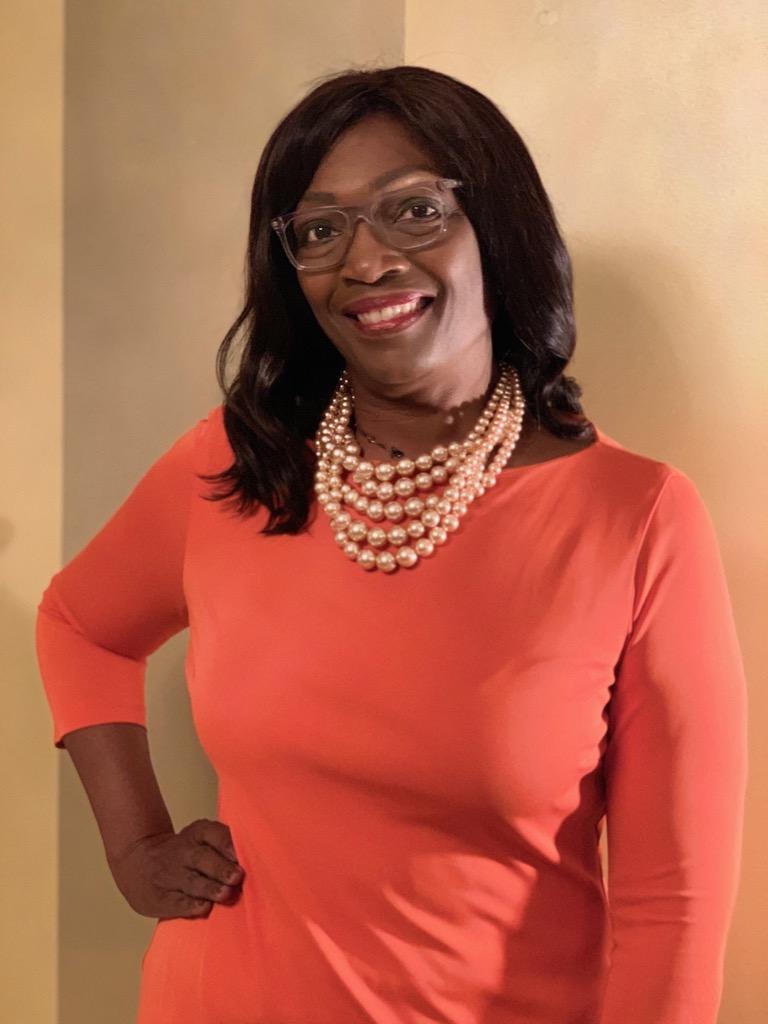
With a diverse background in leadership training, conflict resolution, ethics, diversity, and more, she equips her clients with the necessary skills to navigate life’s challenges and turn them into opportunities for growth.
Through the S.O.A.R. approach of Renew, Reset, and Rebound, Dr. Scott empowers her clients to break free from stagnation and limitations. Her extensive management experience allows her to understand the obstacles that can impede progress, and she adeptly guides individuals towards success.
How prepared is your organization to lead through change?
Soar EZ Consulting provides professional leadership coaching, training, conflict-resolution support, and organizational-development services designed to help leaders and teams strengthen communication, build resilience, and prepare for whatever comes next.
Prepare today so your team can lead confidently tomorrow.