
BY Dr. Tangier Scott | July 5, 2026
July is an important month for organizations to reflect on the connection between leadership, workplace culture, and mental wellness. It is a time when many teams are balancing vacation schedules, shifting workloads, and midyear performance expectations. It is also a timely opportunity to think more intentionally about inclusion, support, and how employees experience the workplace on a daily basis.
That is one reason July is such a meaningful month for this conversation. Bebe Moore Campbell National Minority Mental Health Awareness Month brings attention to the unique mental health challenges that many people from historically marginalized communities may face, including barriers related to stigma, access, cultural understanding, and support. In the workplace, these realities matter because leaders help shape the environment in which people either feel seen and supported or overlooked and misunderstood.
Inclusive leadership is not just about representation. It is about creating a workplace culture where people from different backgrounds, experiences, and perspectives can contribute, communicate, and thrive. When employees feel respected and valued, teams often become more collaborative, resilient, and effective.
At Soar EZ Consulting, leadership development is rooted in helping individuals and organizations overcome obstacles and achieve sustainable results. That makes inclusive leadership an especially relevant topic for companies seeking to strengthen workplace culture while also improving communication, trust, and team performance.
Inclusive Leadership Starts With Awareness
Many leaders have good intentions, but strong leadership requires more than good intentions alone. It requires awareness. Leaders need to understand that employees may experience workplace stress, communication, and organizational culture differently based on their lived experiences.
Cultural awareness does not mean assuming that every person from a certain group thinks or feels the same way. Instead, it means leading with humility, curiosity, and a willingness to listen. It means recognizing that people bring different strengths, perspectives, and needs into the workplace.
When leaders operate with greater awareness, they are often better equipped to build trust and reduce unnecessary tension within teams.

Psychological Safety Matters
Employees perform better when they feel safe enough to speak honestly, ask questions, share ideas, and raise concerns without fear of embarrassment or dismissal. Psychological safety is a key part of healthy workplace culture, and it does not happen by accident.
Leaders help create psychological safety by:
- listening without defensiveness
- responding respectfully during disagreement
- inviting input from all team members
- avoiding dismissive language
- being thoughtful about how feedback is given
- addressing conflict early and fairly
A workplace can appear productive on the surface while still feeling emotionally unsafe for employees. Inclusive leaders pay attention to both performance and the human experience behind that performance.
Supportive Workplaces Build Stronger Teams
When employees feel supported, they are often more engaged, collaborative, and committed to the organization’s success. Support can show up in many ways, including fair communication, clear expectations, meaningful development opportunities, and leadership that is willing to listen and adapt.
This is especially important in diverse workplaces, where team members may have different communication styles, perspectives, and ways of processing stress. Leaders who create space for understanding are often better able to reduce misunderstandings and strengthen team cohesion.
Support is not about lowering standards. It is about creating the conditions that allow people to meet standards with confidence and clarity.

Inclusive Improves Communication and Trust
Workplace trust grows when people believe they are respected, heard, and treated fairly. Inclusive leadership strengthens trust because it shows employees that their voices matter.
In practical terms, this may look like:
- making space for quieter voices in meetings
- checking for understanding instead of making assumptions
- being mindful of tone and language
- giving feedback in a constructive and respectful way
- addressing bias and conflict directly
- encouraging open dialogue across differences
These actions may seem small, but over time they shape the culture of a team. They can influence whether employees feel connected or isolated, motivated or discouraged, safe or guarded.
July is a Good Time for a Midyear Leadership Check-In
By July, many organizations are far enough into the year to see where culture is healthy and where leadership habits may need attention. This makes July an ideal time for a midyear check-in.
Leaders can ask:
- Do employees feel heard and supported?
- Are we creating an environment of trust and respect?
- How do we respond when different perspectives are brought forward?
- Are our leadership habits strengthening inclusion or unintentionally limiting it?
- What can we improve in the second half of the year?
These questions help leaders move beyond surface-level statements about culture and into more meaningful action.

Final Thoughts
Inclusive leadership is not a trend. It is a leadership practice that strengthens people, teams, and organizations over time. In a diverse workplace, the ability to lead with awareness, respect, and empathy is essential.
July is a meaningful month to revisit these ideas. As conversations around minority mental health and workplace well-being continue, leaders have an opportunity to create environments where employees feel valued not just for what they do, but also for who they are.
Healthy workplaces are built through intentional leadership. When leaders create space for trust, fairness, and support, they help teams become stronger, more connected, and better prepared to succeed.
About Dr. Tangier Scott
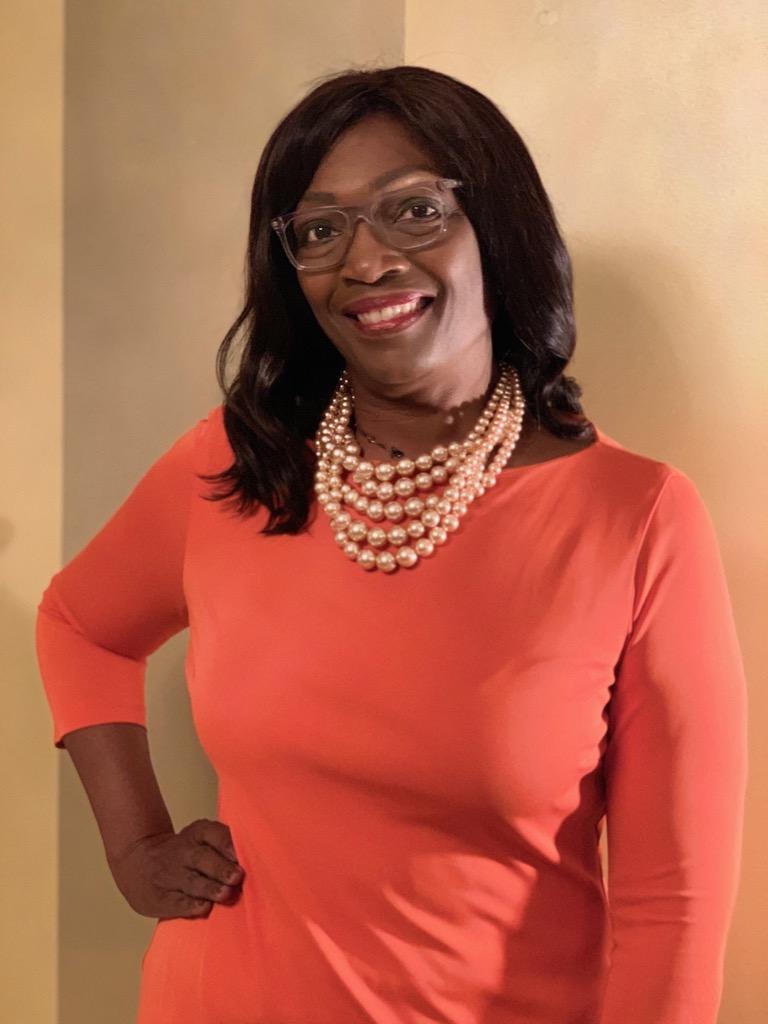
Dr. Tangier Scott is the founder of Soar EZ Consulting and a certified Personal and Executive Corporate Coach. Through her work, she helps individuals and organizations strengthen leadership capacity, navigate obstacles, and achieve sustainable results. Her coaching and corporate services reflect a practical commitment to leadership development, resilience, communication, and growth.
Are you ready to get the support you need?
If your organization is ready to strengthen workplace culture, improve leadership effectiveness, and build a more supportive environment for diverse teams, Soar EZ Consulting offers coaching, training, and development services designed to help leaders and organizations grow with clarity, purpose, and sustainable results.
Meet Dr. Tangier Scott, a seasoned corporate and executive coach with rich experience spanning over 25 years. Her passion and dedication to guiding others toward success have led her to become a beacon of transformation in the coaching industry.
As a certified Personal and Executive Corporate Coach, Dr. Scott founded S.O.A.R. EZ, LLC (Strengthening Organizations to Attain Results) to help individuals and organizations at critical crossroads seeking positive change.
With a diverse background in leadership training, conflict resolution, ethics, diversity, and more, she equips her clients with the necessary skills to navigate life’s challenges and turn them into opportunities for growth.
Through the S.O.A.R. approach of Renew, Reset, and Rebound, Dr. Scott empowers her clients to break free from stagnation and limitations. Her extensive management experience allows her to understand the obstacles that can impede progress, and she adeptly guides individuals towards success.
If your organization is ready to strengthen leadership from the inside out, Soar EZ Consulting offers leadership coaching, training, and development support designed to help individuals and teams grow with clarity, resilience, and purpose.