
BY Dr. Tangier Scott | August 5, 2026
August is often associated with slowing down, taking vacations, and enjoying the final weeks of summer. For organizations, however, it can also be a demanding transition period. Employees may be balancing changing schedules, family responsibilities, accumulated workloads, and preparations for the final months of the year.
Because August is recognized as National Wellness Month, it offers leaders a timely opportunity to examine how workplace culture affects the health, focus, and performance of their teams.
Workplace wellness is sometimes treated as an individual responsibility. Employees are encouraged to exercise, manage stress, take breaks, and practice self-care. Although personal habits matter, leaders also influence whether employees have the time, support, and psychological safety needed to maintain those habits.
Wellness begins with the culture leaders create.
At Soar EZ Consulting, leadership development is centered on helping individuals and organizations overcome obstacles and achieve sustainable results. Sustainable success requires more than productivity. It requires leadership practices that support people, strengthen communication, and create an environment where employees can perform without operating in constant survival mode.
Workplace Wellness Is a Leadership Responsibility
Employee wellness is shaped by more than fitness challenges, wellness seminars, or occasional team activities. It is influenced by the everyday employee experience.
Unclear expectations, excessive workloads, poor communication, workplace conflict, and a culture of constant urgency can affect employees mentally, emotionally, and physically. Even the most motivated employee may struggle in an environment where stress is normalized and support is limited.
Leaders help establish what is acceptable within the workplace. When leaders model healthy boundaries, communicate clearly, and respond to challenges with steadiness, employees are more likely to feel supported.
When leaders consistently ignore burnout or reward overwork, employees may believe their well-being is less important than their output.
Creating a healthier workplace begins with recognizing that leadership decisions have a direct effect on employee wellness.

- Evaluate the Pace of the Workplace
August is a good time to assess the pace at which your organization has been operating.
Are employees consistently working beyond reasonable limits? Has urgency become the default communication style? Are teams being given enough time and resources to complete their responsibilities effectively?
A fast-paced environment is not automatically unhealthy. Problems arise when the pace becomes unsustainable and employees are expected to maintain it indefinitely.
Leaders can begin by reviewing workloads, deadlines, meeting schedules, and competing priorities. Some responsibilities may need to be reassigned, postponed, simplified, or removed.
The goal is not to eliminate accountability. It is to ensure that expectations are realistic and aligned with the organization’s resources.
- Make Communication Clearer and More Consistent
Uncertainty creates stress. When employees do not understand priorities, responsibilities, or changing expectations, they may spend unnecessary energy trying to determine what leadership wants.
Clear communication supports wellness by reducing confusion and helping employees focus on meaningful work.
Leaders can improve communication by explaining priorities, sharing relevant updates, clarifying ownership, and creating reasonable opportunities for employees to ask questions.
Consistency also matters. Employees should not have to guess which version of a message is accurate or whether expectations will suddenly change without explanation.
Clear communication creates stability, and stability helps teams navigate pressure more effectively.
- Model Healthy Boundaries
Employees pay attention to what leaders do, not only what leaders say.
A leader may encourage employees to rest while continuing to send nonurgent messages late at night. An organization may promote work-life balance while praising employees who regularly sacrifice personal time.
These mixed messages can weaken trust.
Leaders can model healthier boundaries by taking appropriate time away, respecting employee availability, reducing unnecessary after-hours communication, and allowing team members to disconnect when the workday ends.
Boundaries are not evidence of low commitment. Healthy boundaries help preserve the energy, judgment, and focus required for long-term performance.

- Create Space for Honest Conversations
Employees may not always feel comfortable telling a leader that they are overwhelmed, unclear about expectations, or struggling with workplace stress. They may fear being viewed as incapable, unmotivated, or difficult.
Supportive leaders create opportunities for honest conversation before problems escalate.
Regular check-ins can include questions such as:
- What is creating the most pressure for you right now?
- Are your current priorities clear and manageable?
- Is there an obstacle affecting your ability to do your best work?
- What support would help you work more effectively?
- Is there anything we should reconsider as a team?
Asking these questions is only the beginning. Leaders must also listen without immediately becoming defensive or dismissing concerns.
Employees are more likely to communicate honestly when they believe their feedback will be treated with respect.
- Address Conflict Before It Damages the Culture
Unresolved conflict can become a major source of workplace stress. Miscommunication, unclear roles, personality differences, and perceived unfairness can quickly affect morale and collaboration.
Avoiding conflict rarely makes it disappear. In many cases, it allows resentment and distrust to grow.
Effective leaders address concerns early, fairly, and respectfully. They focus on the issue rather than attacking the individuals involved. They also create space for different perspectives and work toward solutions that protect the team’s ability to move forward.
Conflict-resolution skills are an important part of healthy leadership. When employees see that difficult situations will be handled constructively, they are more likely to feel secure within the organization.
- Recognize Employees as Whole People
Employees do not stop being human when they enter the workplace. They may be managing caregiving responsibilities, financial concerns, personal transitions, health challenges, or other pressures that are not immediately visible.
Leaders do not need to know every detail of an employee’s personal life. However, they can lead with empathy, flexibility, and an awareness that people may need different forms of support at different times.
Recognizing employees as whole people does not require abandoning professional standards. It means applying those standards with fairness, wisdom, and humanity.
Employees who feel respected are often more willing to communicate, collaborate, and remain engaged.
- Connect Wellness to Sustainable Performance
Workplace wellness should not be treated as a temporary campaign that begins and ends in August. It should be part of how an organization approaches leadership, culture, and performance throughout the year.
Healthy workplaces are not free from pressure or challenges. They are workplaces where people have the clarity, support, and resources needed to navigate those challenges effectively.
Organizations can support sustainable performance through thoughtful workloads, consistent communication, leadership development, conflict-resolution practices, professional coaching, and opportunities for employee growth.
These investments strengthen both people and organizational outcomes.

A Wellness Check-In for Leaders
As part of National Wellness Month, leaders can pause and consider:
- What behaviors are we currently rewarding?
- Does our culture support wellness or simply talk about it?
- Are employees comfortable communicating when they need help?
- Are our expectations clear and sustainable?
- How does leadership respond when employees experience stress or conflict?
- What is one practical improvement we can make this month?
A workplace does not become healthier through one major announcement. It becomes healthier through consistent decisions that show employees their well-being matters.
Final Thoughts
August is a meaningful time to reconsider what wellness looks like within your organization.
While employees have a role in caring for themselves, leaders have a responsibility to create conditions that do not unnecessarily undermine that care. Through clearer communication, healthier boundaries, constructive conflict resolution, and supportive leadership, organizations can build cultures where people are able to perform and thrive.
Wellness starts at the top because leadership sets the tone.
When leaders care for the health of the workplace, they strengthen trust, engagement, resilience, and long-term performance. The result is not simply a happier team. It is a more sustainable organization.
About Dr. Tangier Scott
Dr. Tangier Scott is the founder of Soar EZ Consulting and a certified Personal and Executive Corporate Coach. Through leadership coaching, training, conflict resolution, and organizational support, she helps individuals and organizations navigate obstacles, strengthen performance, and achieve sustainable results.
Her work reflects a commitment to helping leaders renew, reset, and rebound while building healthier and more effective organizations.
Are you ready to get the support you need?
Is your organization ready to strengthen leadership, improve communication, and build a healthier workplace culture?
Soar EZ Consulting provides professional leadership coaching, training, conflict-resolution support, and organizational-development services designed to help leaders and teams move forward with greater clarity, resilience, and purpose.
Meet Dr. Tangier Scott, a seasoned corporate and executive coach with rich experience spanning over 25 years. Her passion and dedication to guiding others toward success have led her to become a beacon of transformation in the coaching industry.
As a certified Personal and Executive Corporate Coach, Dr. Scott founded S.O.A.R. EZ, LLC (Strengthening Organizations to Attain Results) to help individuals and organizations at critical crossroads seeking positive change.
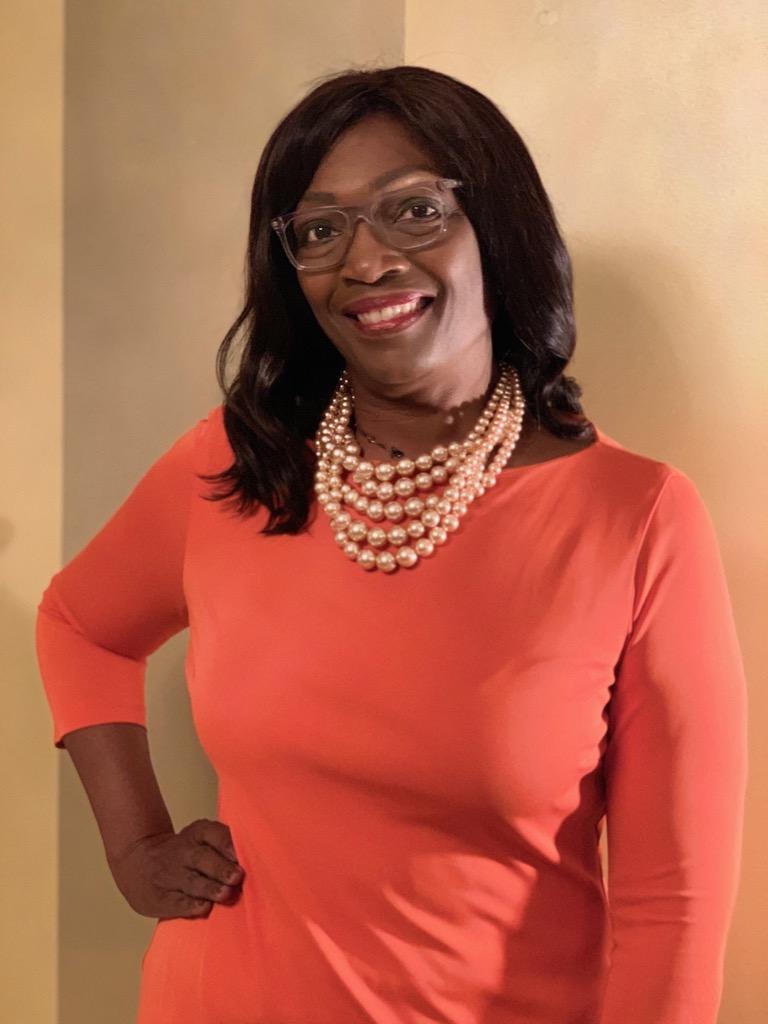
With a diverse background in leadership training, conflict resolution, ethics, diversity, and more, she equips her clients with the necessary skills to navigate life’s challenges and turn them into opportunities for growth.
Through the S.O.A.R. approach of Renew, Reset, and Rebound, Dr. Scott empowers her clients to break free from stagnation and limitations. Her extensive management experience allows her to understand the obstacles that can impede progress, and she adeptly guides individuals towards success.
If your organization is ready to strengthen leadership from the inside out, Soar EZ Consulting offers leadership coaching, training, and development support designed to help individuals and teams grow with clarity, resilience, and purpose.